Kaiseki Nishimura Is the Quietest Great Meal in San Jose
Fourteen seats, one seating a night, and a chef who has been refining the same twenty dishes for nineteen years. Book six weeks out.
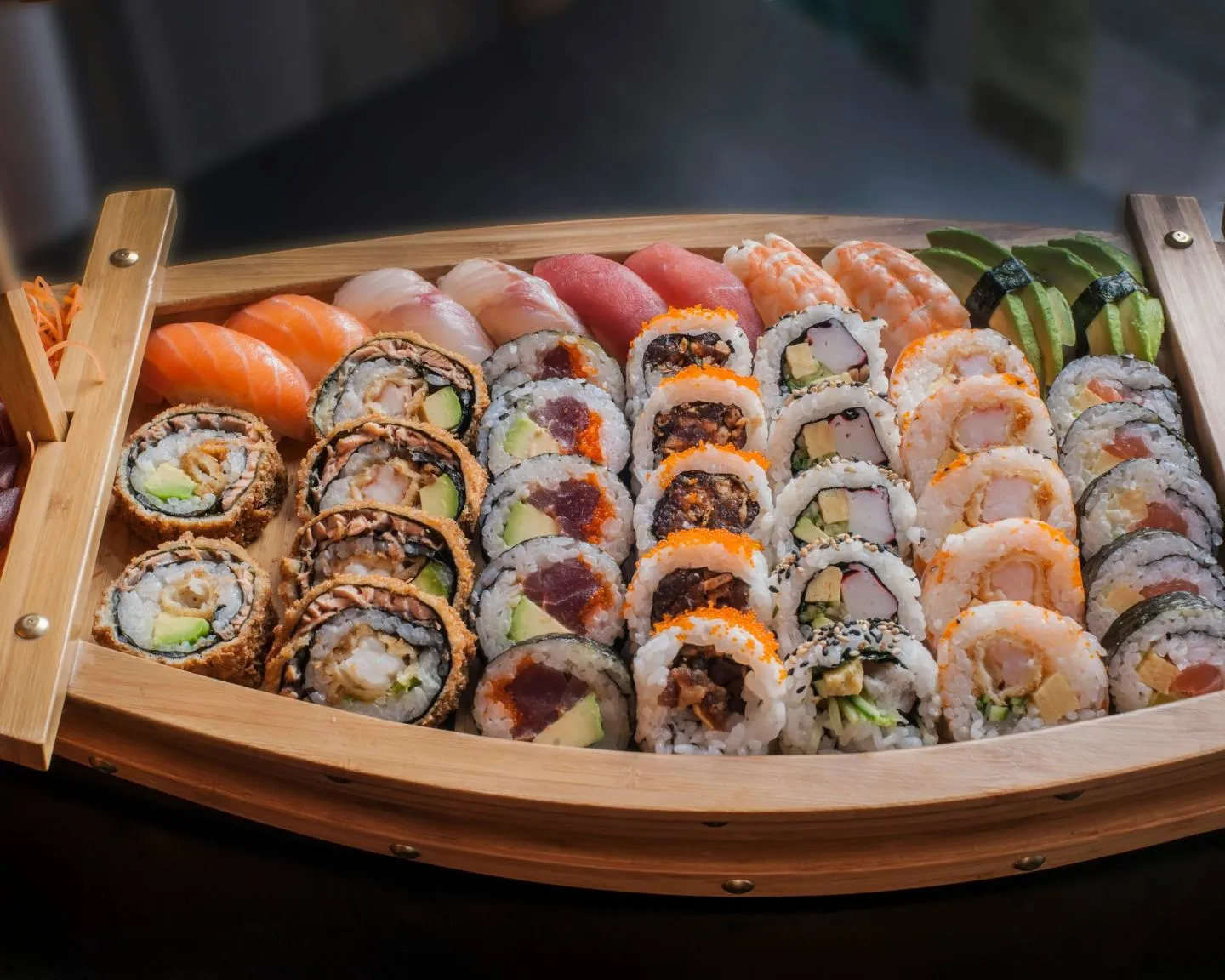
The door on Jackson Street has no sign. There is a small ceramic tile, glazed the colour of wet slate, with the character for "west village" pressed into it, and if you do not already know what that means you will walk past it. This is not mystique. Kenji Nishimura simply never got around to a sign, and after nineteen years the regulars find the door fine.
Inside there are fourteen seats at a single hinoki counter, one seating a night, six nights a week. Nishimura works the whole counter himself with one assistant who does not speak unless spoken to. The meal takes two hours and ten minutes, and it has taken two hours and ten minutes for as long as anyone I asked can remember.
Repetition as a technique
What is remarkable about Nishimura is not range. It is the opposite. The repertoire here is roughly twenty dishes that rotate with the season, and most of them have been on the counter since 2007. The clear soup with a single piece of hamo in early summer. The grilled sweetfish in July. A dish of chilled tofu made in-house each afternoon that arrives with nothing on it but a few grains of salt and one leaf of shiso.
I have eaten that tofu four times across three years. It has been imperceptibly different each time and unmistakably better each time. This is what nineteen years of doing the same thing looks like when someone is actually paying attention — not stasis, but a very slow, very deliberate convergence on something.
The centrepiece in summer is the sweetfish, salted an hour ahead and grilled over binchotan until the skin blisters and the bones soften enough to eat whole. Nishimura serves it head-on with a small mound of grated daikon and a wedge of sudachi, and he watches you eat the first bite. Not anxiously — assessingly. He is checking his own work.
He watches you eat the first bite. Not anxiously — assessingly. He is checking his own work.
The practical part
Reservations open on the first of each month for the month after next, by telephone only, and they are gone within about two hours. There is no website, no waitlist app, no email. If this sounds like a barrier designed to create scarcity, it is worth knowing that Nishimura has turned down three separate offers to expand and once closed for two weeks because his fish supplier was on holiday and he did not like the substitute.
Dinner is $210 before drinks. Sake is chosen for you unless you object, which you should not. The room is silent apart from the grill, and the lighting is unflattering in a way that is genuinely refreshing after a decade of restaurants lit like jewellery counters.
A caution: this is not a room for a first date, a deal dinner, or anyone who wants to be looked after. Nishimura is courteous and completely uninterested in charming you. What he offers instead is nineteen years of a person doing one thing carefully, served fourteen seats at a time. In a county that rebuilds its restaurant scene every eighteen months, that is close to a miracle, and it is worth six weeks of waiting.
More from Reviews
At Ember & Oak, the Tasting Menu Finally Learns to Relax
Twelve courses in Los Altos that never once ask you to be impressed. After three visits, that restraint is the most radical thing on the peninsula.
Prompt & Circumstance Is a Gimmick That Happens to Cook Well
A Mountain View pop-up lets a language model write the menu each morning. The concept is exhausting. The cooking, inconveniently, is not.