The Sourdough Starter That Survives a Product Launch
A stiff, cold-tolerant starter you can neglect for eleven days without killing it, plus the loaf to make when you resurface.
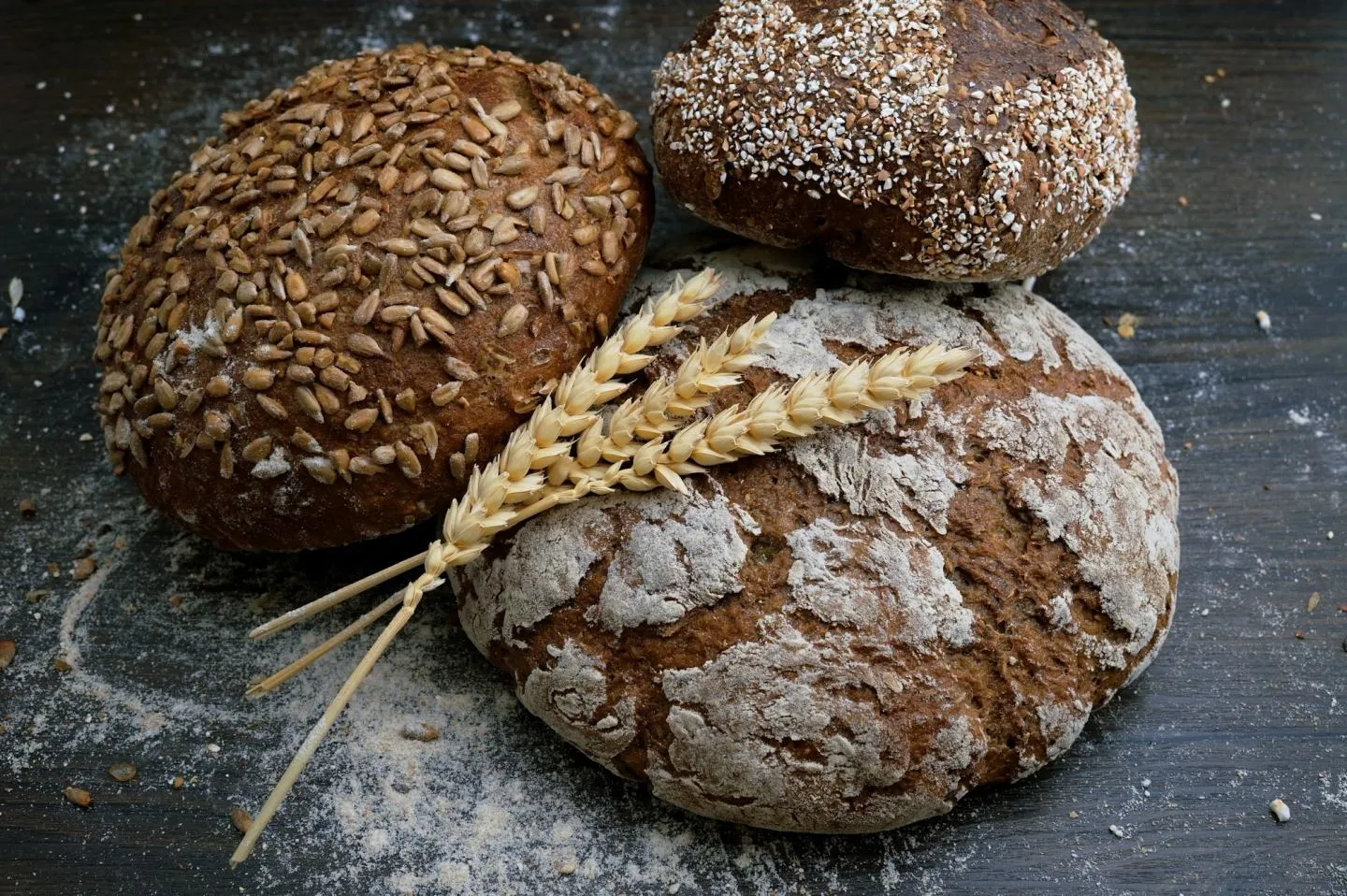
Most sourdough guides assume you have a stable life. They ask you to feed a starter twice a day at consistent intervals, which is a reasonable request of a person who is not shipping anything. This is the version for the other situation.
The trick is hydration. A conventional starter runs at 100% hydration — equal flour and water — which ferments fast and starves fast. Take it down to 55% and you get a stiff dough-like starter that ferments slowly, tolerates the back of a refrigerator, and can genuinely be ignored for a week and a half. It is less lively when you come back, but it is alive, which is the whole argument.
Building the stiff starter
If you already have a liquid starter, convert it: take 20g of it and mix with 100g bread flour and 55g water. Knead for a minute — it will feel like firm pasta dough. Leave at room temperature until roughly doubled, six to ten hours, then refrigerate in a jar with the lid resting on rather than screwed down.
From here it wants feeding once a week if you remember, and will forgive you up to about eleven days. Past two weeks it will still come back, but give it two feeds before you bake with it.
The loaf
Take the starter out the night before you want to bake. Feed it once at room temperature and leave it four to six hours until it is domed and smells sharp rather than sour. Then mix the dough, rest it overnight in the refrigerator, and bake it whenever you get up.
Bake in a preheated Dutch oven at 250°C, lid on for 20 minutes and lid off for 25. The colour you are looking for is darker than you think — a deep reddish brown, almost worryingly so. Underbaked sourdough is the single most common failure and it is entirely a nerve problem.
Cool it completely before cutting. This is not aesthetic advice; the crumb is still setting, and a loaf cut hot goes gummy and stays that way.
- Prep time
- 30 minutes active, 18 hours resting
- Cook time
- 45 minutes
- Yield
- One 900g loaf
Ingredients
Stiff starter
- 20g existing sourdough starter (any hydration)
- 100g bread flour
- 55g water, room temperature
Loaf
- 100g stiff starter, fed and active
- 450g bread flour
- 50g whole wheat flour
- 360g water at 32°C
- 11g fine sea salt
- Rice flour, for dusting the banneton
Method
Mix the starter ingredients into a firm dough. Knead one minute, then leave at room temperature until roughly doubled — six to ten hours. Refrigerate with the lid resting on top.
The night before baking, feed the starter and leave at room temperature four to six hours until domed and sharp-smelling.
Combine both flours with the water and mix until no dry patches remain. Rest 45 minutes — this is the autolyse and it is not optional.
Add the fed starter and the salt. Squeeze through the dough until fully incorporated, about two minutes.
Over the next two hours, perform four sets of stretch-and-folds spaced 30 minutes apart. The dough should go from shaggy to smooth and slightly glossy.
Shape into a round, place seam-side up in a rice-floured banneton, cover, and refrigerate overnight (10 to 16 hours).
Preheat a Dutch oven to 250°C for 45 minutes. Turn the cold dough out onto parchment, score it once, decisively, about 1cm deep.
Bake covered 20 minutes, then uncovered 25 minutes until deep reddish brown. Cool completely on a rack before cutting — at least two hours.
More from Recipes

A 20-Minute Grain Bowl for the Week You Have No Time
One pan, one bowl, and a dressing that makes almost any vegetable in your refrigerator taste deliberate.